
How a kit gets made
An Ensemblo kit passes three separate attempts to stop it before it reaches you. Here is what each one asks, and what happens when one of them fails.
-
01
The need
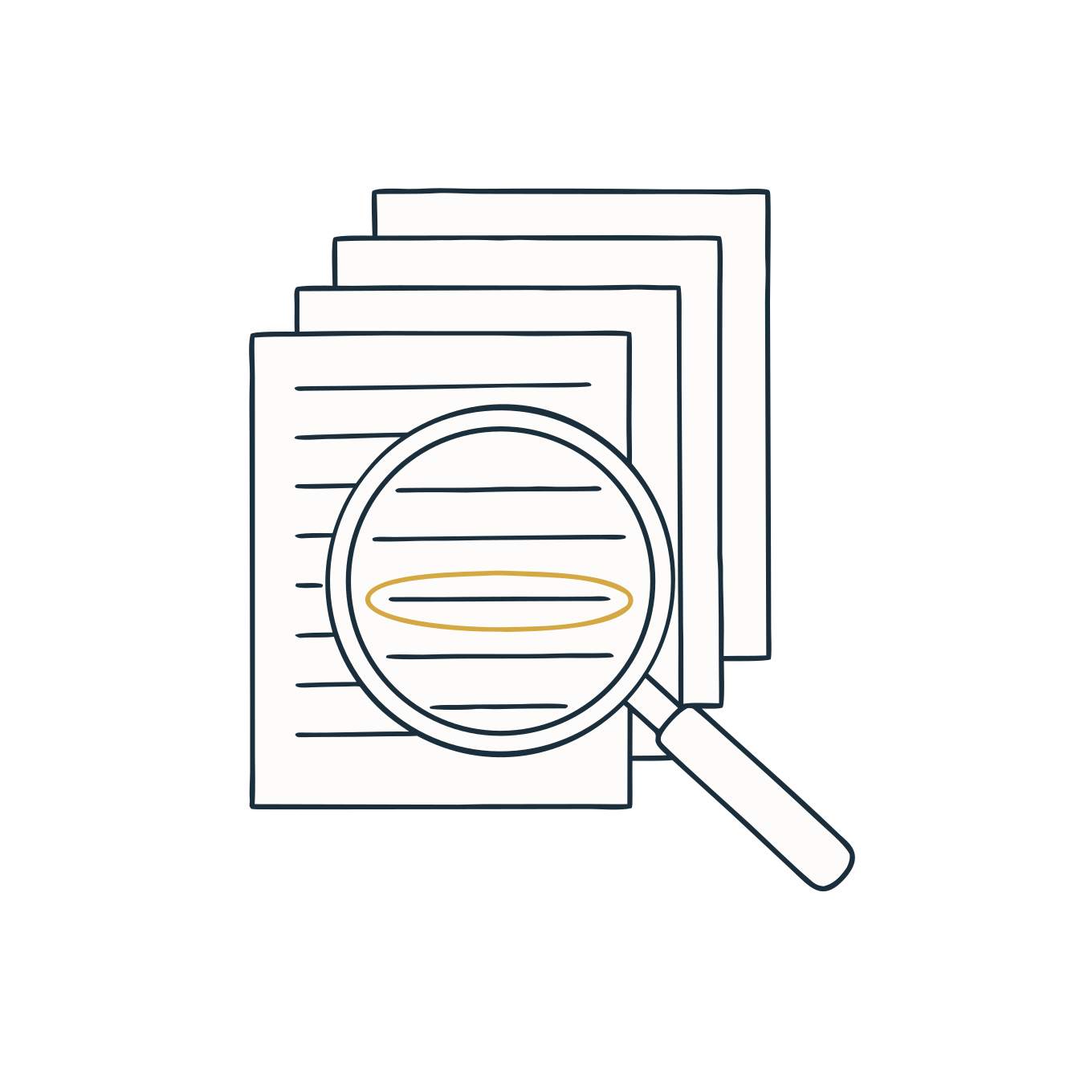
We check demand against language. Whether people already act on this, or only talk about it. And what they say while doing it, in the words you would use yourself.
Neither alone is enough. Demand on its own leads into crowded, generic ground. Voices on their own find frustration that nobody ever acts on. Your job sits where both point at the same thing.
-
02
The attempt to break it
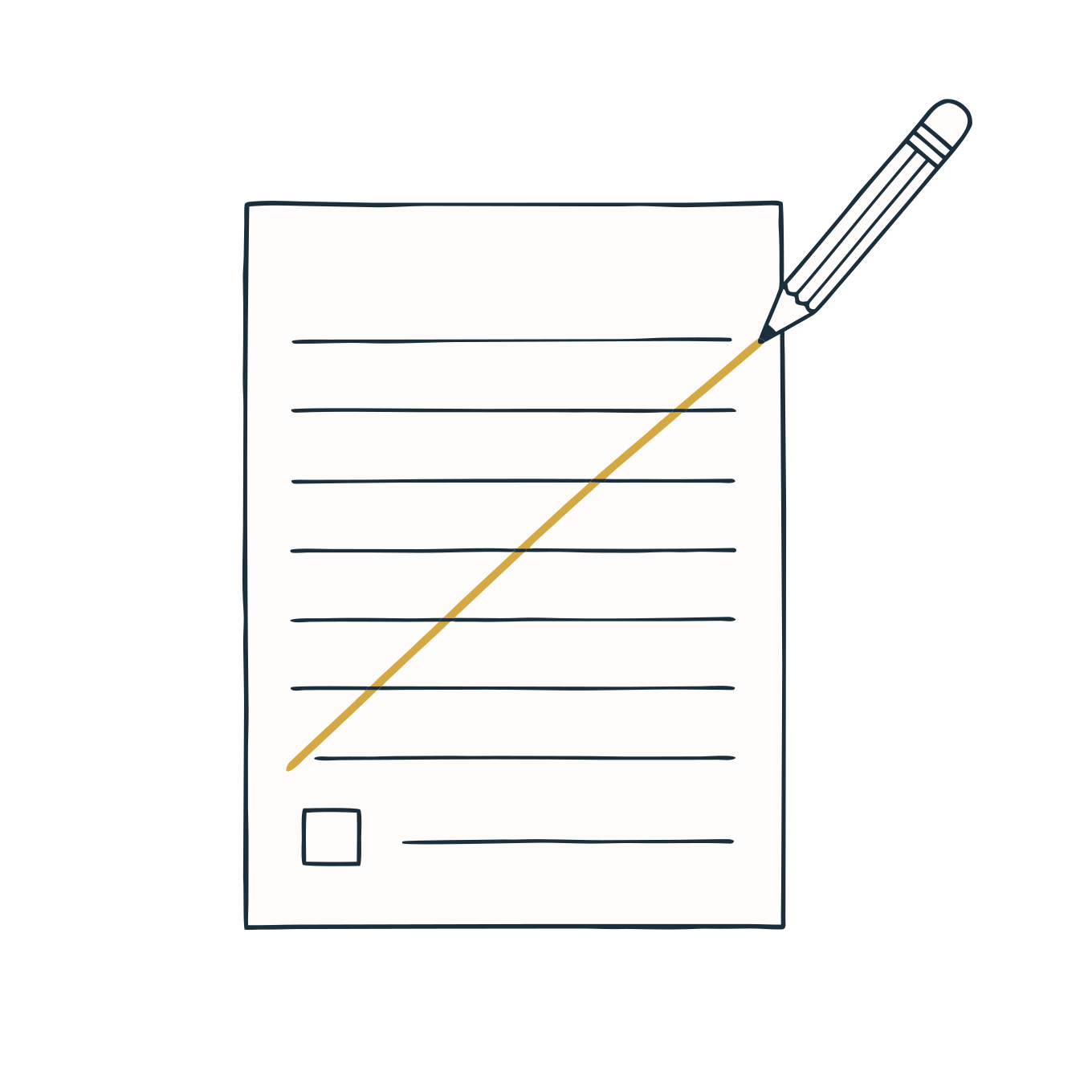
Before anything gets written for you, the finding has to survive being knocked down. Is this something people act on, or only complain about? Is it already covered by something that exists? Are the signals real, or are they marketing? We check that against dated pages, not against a hunch.
Then it gets read again, from scratch, starting from the finding alone with none of the research behind it. It holds, it holds only for a narrower promise than you would have been sold, or it falls. If it falls, or comes back without a clear verdict, the work stops there. It does not restart on its own.
-
03
The cut, and the review
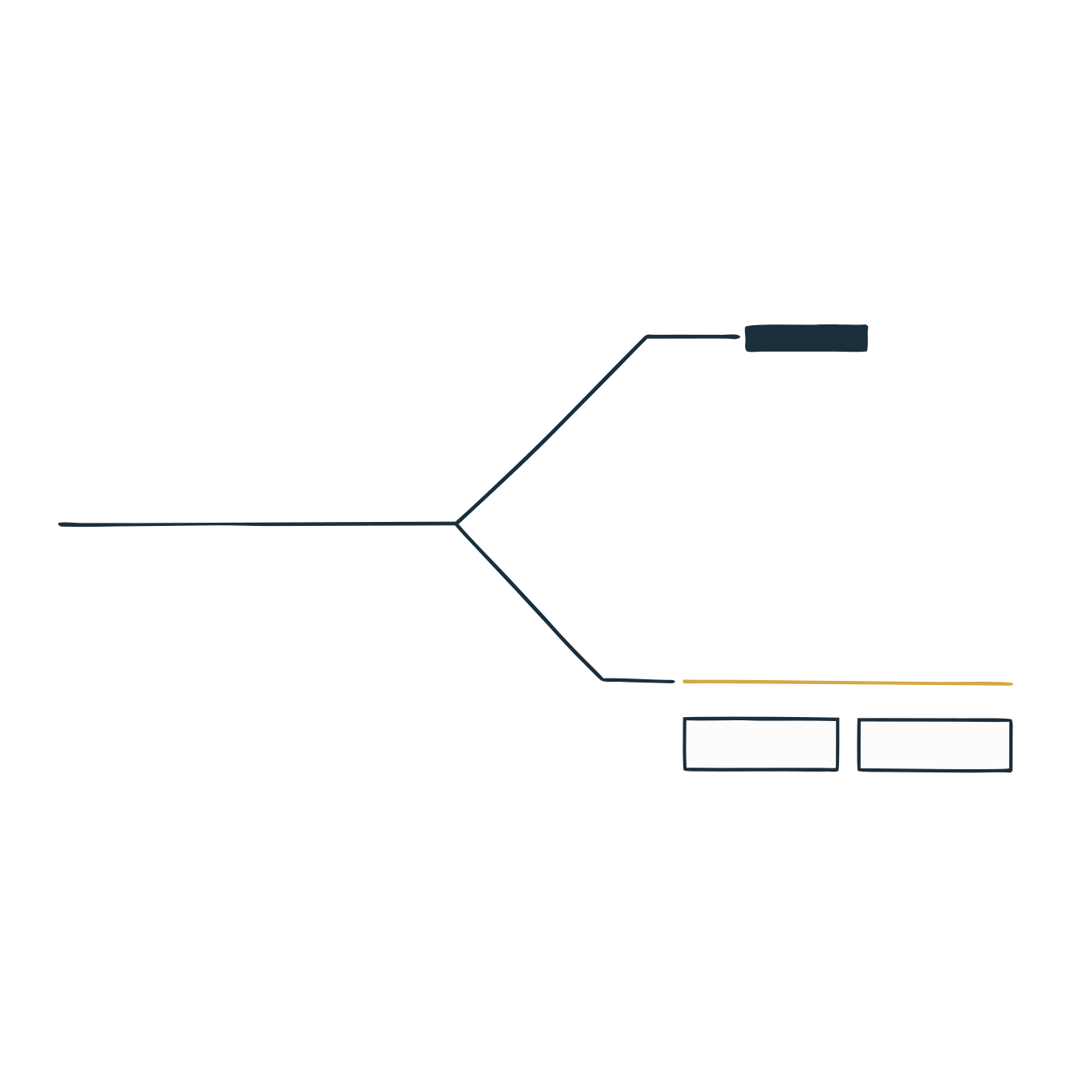
Before the first paragraph, we decide one thing. Does this kit carry process knowledge or rule knowledge? Process knowledge is what you do, in what order, and how you notice something is going wrong. Rule knowledge is a deadline, a form, a threshold, an amount. Process knowledge does not age. Rule knowledge does, and it differs by country, so it becomes a question you look up, not a number we print.
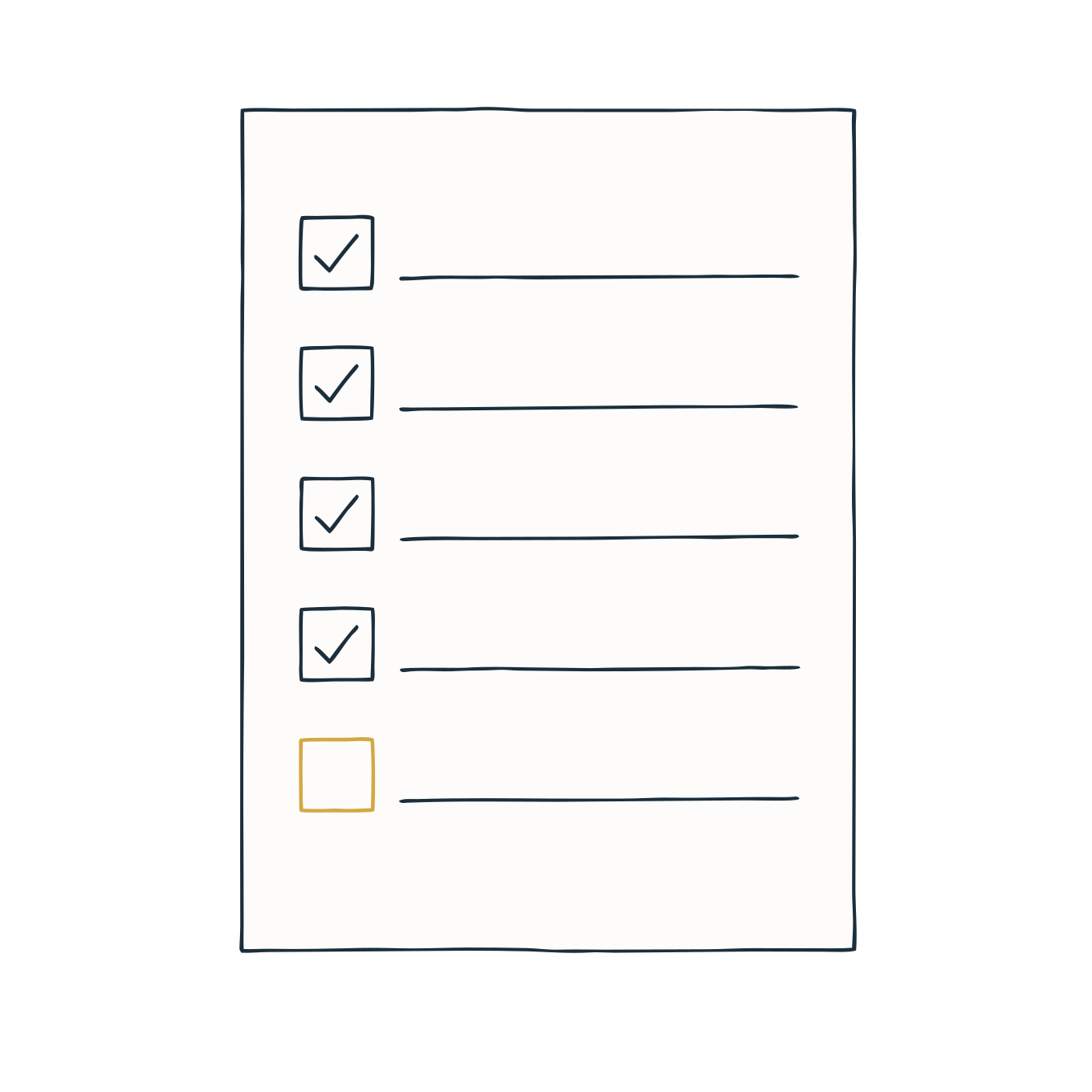
Nothing is cleared by the step that produced it. A separate review asks five questions. Does every problem have a part? Is any part filler? Is it factually right? Does it hold up if you walk through the day with it? And what would leave you stuck on the day?
Where being wrong would cost you something you can’t get back, we check the point against two independent primary sources.
When one of those questions fails, there are exactly three ways on for your kit. Fix it. Narrow the promise honestly. Or don’t ship it. Shipping anyway with a footnote attached is not one of them.
-
04
The printed page
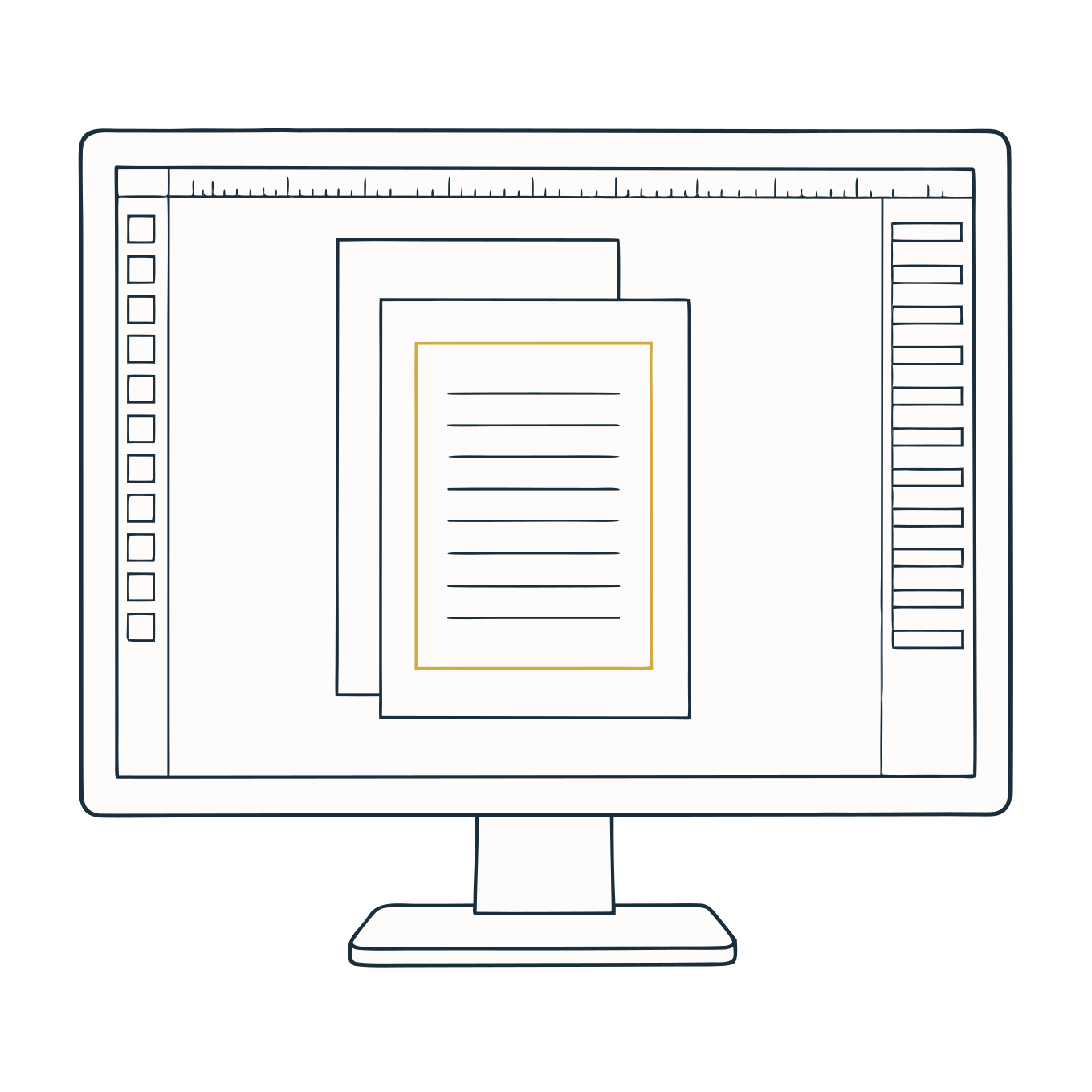
Design turns the cleared text into sheets you can print. Two things get measured before anything is released. That every page holds its content in A4 and in US Letter. And that the finished sheets still say what the cleared text said.
The sheets you print get checked against the cleared text, not trusted.
What you end up with
One coordinated Ensemblo kit for one job. The First-Time Wedding Photographer Kit, for one, runs to 20 pages. The family formals shot list and wrangling script, the buffered timeline, the gear and backup checklist, the 30-minutes-before calm checklist. You fill it in, print it, and use it on the day.
Where a kit carries rule knowledge, you get a verification line instead of a printed figure. It names the question, points you at the source, and leaves the space for your answer and its date. The lookup is yours to do. Nothing in your kit goes out of date behind your back.
Your kit covers the job it names, and it says on the page what it leaves out.
Why not just look it up
You can look it up, and you will get an answer to the question you asked. What it can’t tell you is when the list is complete. Deciding where a list ends is the one thing a search can’t do for you.
What we don’t claim
We don’t promise you an outcome. A kit prepares you, and the day is still yours to run.
Your kit is a finished document. There is no course, no schedule, no exercises to hand in, and no support channel attached to its content.
Where a rule or a figure could change, your kit gives you the check instead of the answer, and says so on the page.
Exactly the kit you need.
